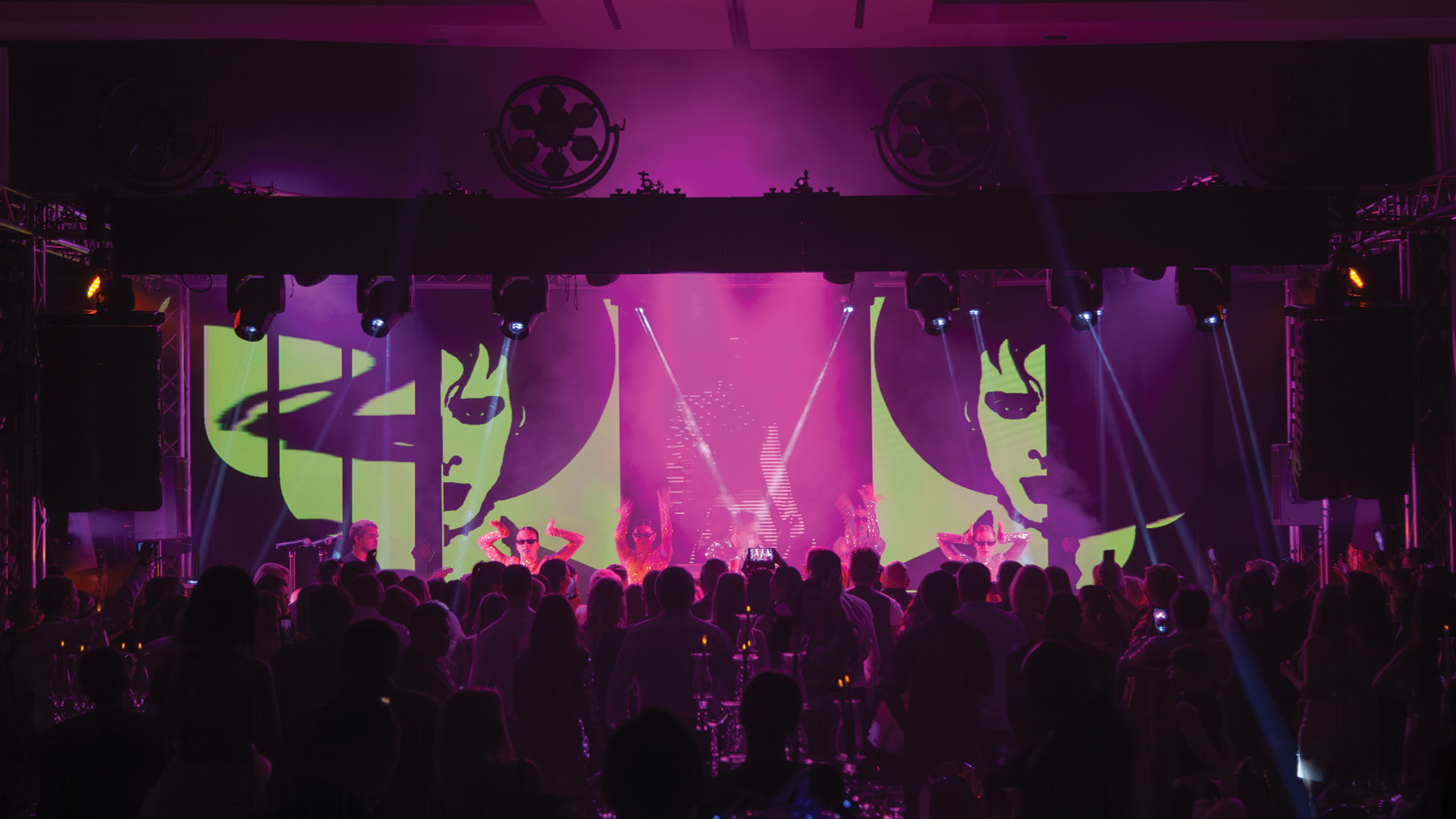
The production switcher is the nerve centre of live video — the single device through which every camera feed, graphic output, replay clip, and media server signal must pass before it reaches the audience or the broadcast chain. When it fails, every screen goes black simultaneously. There is no graceful degradation, no partial service. The production switcher failure is total and immediately obvious to every person in the room and watching the stream. Building failover paths for this device is not paranoia — it is professional minimum standards.
Understanding Switcher Failure Modes
Production switcher failures cluster into three categories: hardware failures — power supply, crosspoint card, output board — software failures — operating system crash, control surface loss, network configuration corruption — and signal infrastructure failures — loss of input signal, output distribution failure, reference signal loss. Each category requires different failover strategies, and a robust design addresses all three.
The Blackmagic Design ATEM 4 M/E Production Studio 4K represents the most common production switcher for mid-tier events, and its failure mode profile is dominated by USB control surface connection loss. The Ross Video Carbonite Black Solo and Grass Valley Korona platforms have more robust control surface redundancy architectures but carry correspondingly higher hardware costs.
Hot Backup Switcher Configurations
The gold standard for production switcher redundancy is a hot backup switcher — a second switcher fully configured with an identical input patch and showfile, receiving all the same input signals simultaneously, and capable of assuming the master output role within a single frame. The Ross Video Carbonite platform supports dual-machine synchronised operation through its DashBoard control system, with a manual switchover button that transfers the program output from primary to backup without a visible dropout.
For the Blackmagic ATEM platform, hot backup is achieved through a downstream video router — specifically a Blackmagic Design Smart Videohub 12×12 or equivalent — positioned on the program output path. The primary ATEM feeds one input of the router; the backup ATEM feeds a second. A router control system monitors the primary output and automatically routes to the backup input if signal loss is detected, providing a sub-second switchover, though it lacks the seamless frame-synchronised transition of purpose-built dual-machine platforms.
Distributed Input Architecture
A switcher failover is only as effective as the distribution of its input signals. A primary and backup switcher sharing a common multi-switch router for input distribution have a shared single point of failure in the input path. The professional architecture uses a signal distribution amplifier — Evertz 7707DA-HD, Miranda Kaleido-X, or For-A MFR-3000 — to split every camera output and media server feed to both the primary and backup switcher simultaneously, from physically separate distribution paths that share no common equipment.
Reference Signal Redundancy
Production switchers require a reference signal — Black Burst or Tri-Level Sync — to synchronise their internal timing to the production’s video standard. Loss of reference causes the switcher to free-run, triggering sync errors across every device locked to the switcher’s output. The professional solution is a dual-source reference system using a master and backup sync generator connected through a reference auto-select device — the Evertz 5601MSC — that automatically switches to the backup if the primary drops.
Control System Failover and Stress Testing
For the most critical applications — broadcast ceremonies, televised corporate events, streaming productions with contractual SLA commitments — the hardware control surface remains the professional standard precisely because it has no operating system, no software update path, and no network dependency that could introduce a single point of software failure. The Ross Video Carbonite Black hardware surface, the Grass Valley Korona panel, and the Broadcast Pix Slate all represent this approach: purpose-built hardware designed to survive production conditions without the failure modes of general-purpose computing environments. The most critical step in any failover architecture is testing it under conditions that replicate the production environment — with all signals active, all systems loaded, and the full production network running. A forced failover test during technical rehearsal verifies that the backup assumption is seamless and that monitoring and alerting systems correctly identify the failure and the switchover event.
