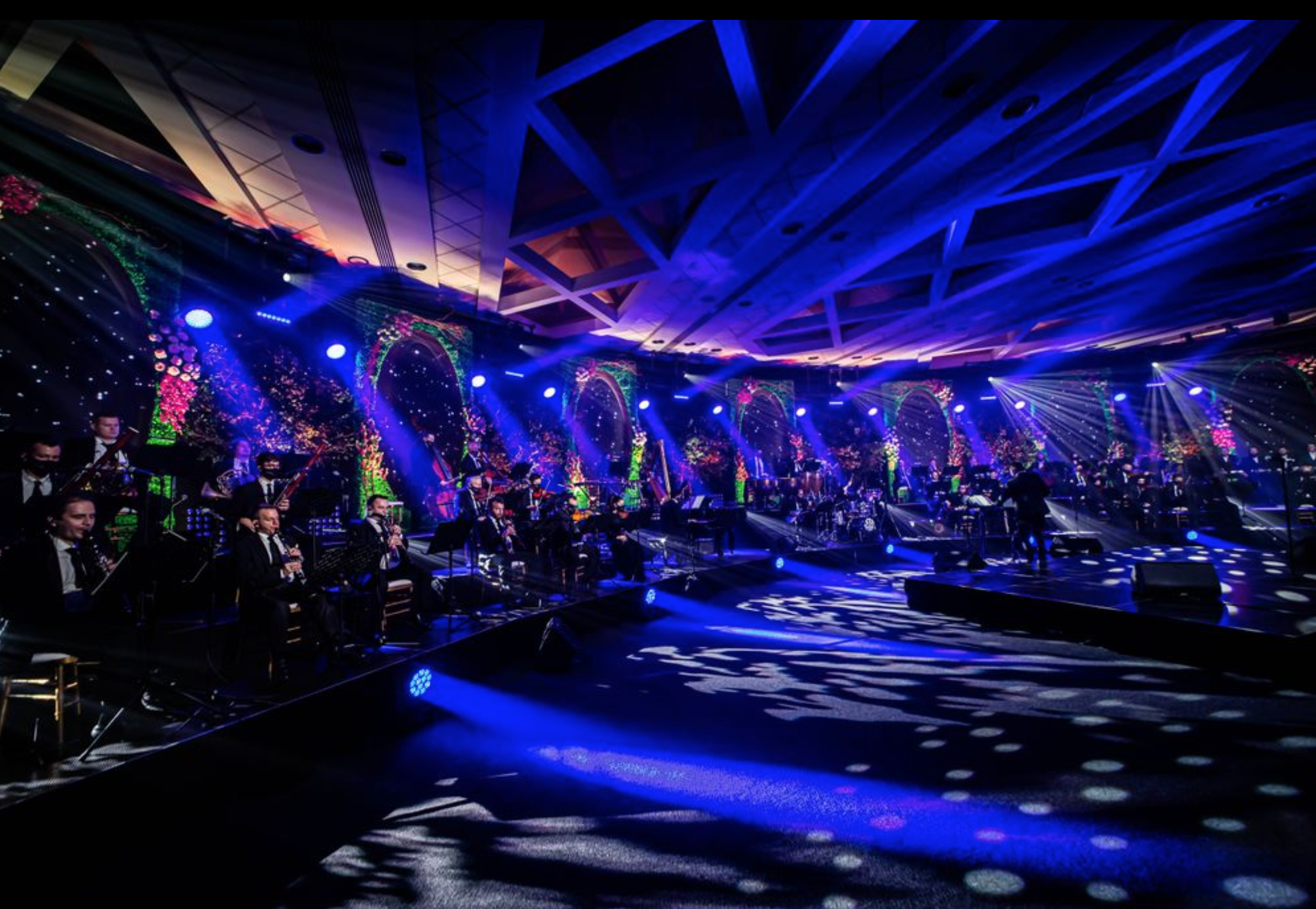
Understanding the Audio Visual Production Industry
The audio visual production industry has experienced remarkable growth over the past decade, with the global market projected to reach $325 billion by 2027. This expansion is driven by increased demand for video content across corporate, entertainment, and digital platforms. Starting an AV production business in 2025 offers tremendous opportunities for entrepreneurs with technical skills and business acumen.
The industry encompasses diverse sectors including corporate event production, wedding videography, concert production, conference coverage, theatrical lighting and sound, broadcast media, and live streaming services. According to recent industry surveys, 87% of businesses now use video content for marketing purposes, creating unprecedented demand for professional AV services.
Essential Equipment Investment and Technology
Launching a professional AV production business requires significant capital investment in equipment. A basic startup package typically costs between $50,000 to $100,000, while comprehensive setups can exceed $200,000. Your core equipment list should include professional cameras such as the Sony FX6 or Canon C70, which range from $6,000 to $8,000 per unit. Most businesses start with at least two primary cameras and one backup.
Lighting equipment is equally critical and often underestimated by newcomers. Professional LED panels, Fresnel lights, and portable lighting kits typically require an investment of $10,000 to $30,000. Modern LED technology has revolutionized production lighting by offering energy efficiency, color temperature control, and reduced heat output compared to traditional tungsten fixtures.
Audio equipment represents another major expense category. Quality wireless microphone systems from manufacturers like Sennheiser or Shure cost $1,000 to $3,000 per channel. A professional audio mixer, recording devices, and monitoring equipment add another $8,000 to $20,000 to your budget. Remember that audio quality often matters more than video quality to audiences, making this investment crucial.
Business Structure and Legal Foundations
Choosing the appropriate business structure impacts your taxes, liability protection, and growth potential. Most AV production companies operate as Limited Liability Companies (LLCs) or S-Corporations. An LLC provides personal asset protection while maintaining operational flexibility and pass-through taxation benefits. S-Corporation status can reduce self-employment taxes once your business reaches sufficient profitability.
Comprehensive insurance coverage is non-negotiable in the AV industry. General liability insurance with coverage of $1 to $2 million protects against property damage and injury claims at events. Equipment insurance covers your valuable gear against theft, damage, and loss, typically costing 1-3% of your equipment value annually. Professional liability insurance protects against claims of negligence or failure to deliver contracted services.
Business licensing requirements vary by jurisdiction but typically include general business licenses, sales tax permits, and potentially specialized permits for drone operations or filming in public spaces. Budget approximately $2,000 to $5,000 for initial legal setup, contract templates, and licensing fees.
Developing Your Service Portfolio
Successful AV businesses typically start with specialization before diversifying. Corporate event production offers steady revenue streams with 68% of companies hosting regular events requiring AV services. Projects range from small boardroom presentations to large-scale conferences with hundreds of attendees. Corporate clients value reliability, professionalism, and technical expertise over creative flair.
Wedding videography remains highly lucrative despite market saturation. The average wedding videography package in the United States costs between $2,500 and $8,000, with luxury market packages exceeding $15,000. Success in this sector requires not just technical skills but also exceptional interpersonal abilities and emotional intelligence to capture meaningful moments.
Live streaming has exploded as a service category, with market growth exceeding 400% since 2020. Hybrid events combining in-person and virtual attendance have become the norm rather than the exception. Professional live streaming services typically command $2,000 to $10,000 per event depending on complexity, platform integration, and production quality.
Marketing Strategies for AV Production Companies
Digital marketing is essential for AV businesses, with 89% of potential clients researching providers online before making contact. Your website serves as your digital storefront and portfolio showcase. It should feature high-quality examples of your work, detailed service descriptions, client testimonials, and clear contact information. Case studies demonstrating your problem-solving capabilities and technical expertise build credibility more effectively than simple project galleries.
Search engine optimization focusing on location-based keywords helps capture local search traffic. Terms like “corporate event production [city name]” or “wedding videographer [region]” typically have strong commercial intent. Google Business Profile optimization is crucial since 76% of people who search for local businesses visit within one day.
Social media marketing works best on visual platforms like Instagram, YouTube, and LinkedIn. Instagram allows you to showcase project highlights, behind-the-scenes content, and client testimonials. YouTube serves as a secondary search engine and portfolio platform. LinkedIn is particularly effective for reaching corporate clients and event planners.
Pricing Strategies and Financial Management
Understanding your true costs is fundamental to sustainable pricing. Calculate your Cost of Goods Sold including equipment depreciation, which typically runs 15-20% annually for AV gear. A camera purchased for $8,000 should be depreciated at approximately $1,600 annually over five years. Factor this into your project pricing to ensure equipment replacement funds are available.
Day rates for AV services vary significantly by market and specialization. Solo videographers typically charge $800 to $2,500 per day depending on experience and deliverables. Full production crews with multiple cameras, lighting, and audio specialists command $3,000 to $10,000 daily. Corporate clients generally accept higher rates than social clients due to business expense deductibility and higher value perception.
Profitable AV businesses typically operate with 35-45% gross profit margins before overhead expenses. This means a project priced at $5,000 should have direct costs not exceeding $2,750 to $3,250. Overhead expenses including office space, utilities, insurance, marketing, and administrative costs typically consume an additional 20-30% of revenue.
Building Client Relationships and Retention
Client acquisition costs in the AV industry typically range from $200 to $1,000 depending on your marketing channels and target market. Repeat clients and referrals are significantly more profitable than constantly pursuing new business. Studies show that increasing customer retention by just 5% can increase profits by 25-95%.
Exceeding client expectations builds referral business naturally. Going beyond contracted deliverables through extras like same-day highlight reels, additional edited photos, or complimentary drone footage creates memorable experiences clients enthusiastically share. These value-adds cost you minimal time but generate substantial goodwill and word-of-mouth marketing.
Formal referral programs incentivize satisfied clients to recommend your services. Offering 10-15% discounts on future services or cash referral bonuses of $100-$500 for successful conversions demonstrates appreciation while driving new business. Track referral sources meticulously to identify your most valuable advocates and nurture those relationships.
Staying Current with Industry Trends
The AV production industry evolves rapidly with technological advancement. Mirrorless camera systems have largely replaced traditional DSLRs and cinema cameras for many applications due to superior autofocus, lighter weight, and 4K/8K recording capabilities. Understanding these shifts keeps your service offerings competitive and relevant.
Virtual production techniques using LED walls and real-time game engine technology are revolutionizing content creation. While primarily used in high-budget film and television production currently, these technologies are becoming more accessible. Forward-thinking AV businesses are exploring how virtual production elements can enhance corporate and event productions.
Artificial intelligence is transforming post-production workflows through automated editing, color grading, and audio enhancement. Tools like Adobe Sensei, DaVinci Resolve’s AI features, and specialized audio plugins reduce editing time by 30-50% while maintaining professional quality. Embracing these efficiency tools allows you to take on more projects without proportionally increasing labor costs.
