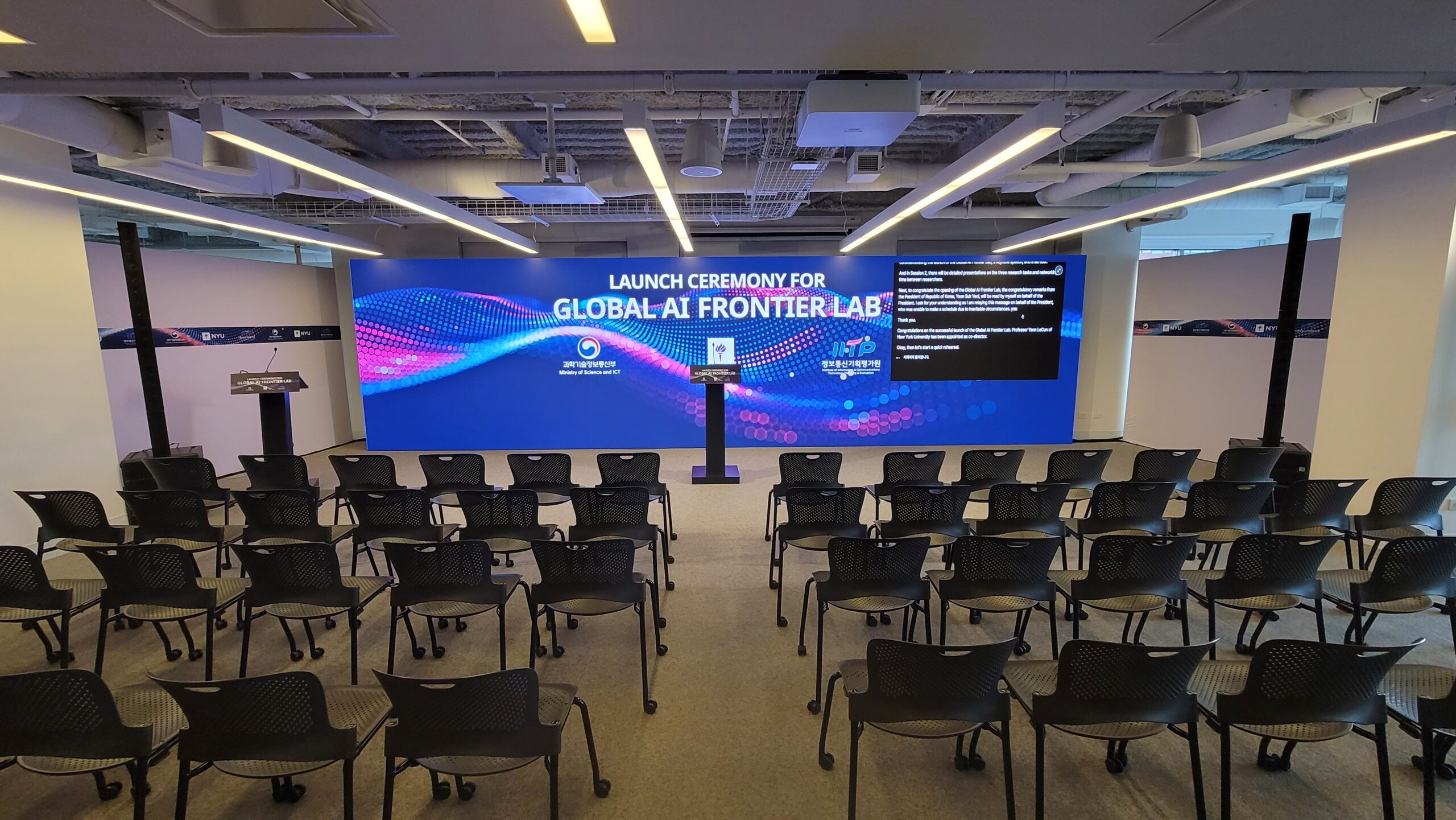
Concert promoters and production companies face critical financial decisions when investing in LED video wall technology. Understanding return on investment metrics, revenue generation potential, and cost optimization strategies determines whether purchasing or renting equipment maximizes profitability across touring cycles.
Initial Investment Breakdown
A professional touring LED video wall system requires substantial capital allocation across multiple components. Main stage displays averaging 150 square meters cost between $450,000 and $1,500,000 depending on pixel pitch and manufacturer. Processing equipment including media servers, video processors, and backup systems adds $75,000 to $200,000. Rigging hardware, cabling, and road cases contribute another $50,000 to $150,000.
Transportation represents ongoing operational costs with specialized trucks costing $2,000-4,000 per day. A 150-square-meter LED wall requires two to three semi-trailers, including space for support equipment and crew gear. Insurance premiums range from 1.5% to 3% of equipment value annually, with additional coverage required for international touring.
Technical personnel costs include video engineers ($800-1,500 daily), LED technicians ($500-800 daily), and content creators ($1,000-2,000 daily). A standard touring package requires minimum three video department crew members, totaling $60,000-90,000 monthly including per diems and travel expenses. Training existing crew on new systems requires 40-80 hours of specialized instruction costing $15,000-25,000.
Revenue Generation Mechanisms
LED video walls generate revenue through multiple channels beyond ticket price premiums. Premium seating sections with optimal screen viewing command 25-40% higher prices than standard tickets. A 15,000-capacity arena show can generate additional $150,000-300,000 per night through strategic pricing of screen-adjacent sections. VIP packages emphasizing enhanced visual experiences sell for 3-5 times standard ticket prices.
Sponsorship opportunities expand significantly with LED infrastructure. Dynamic advertising rotation during pre-show and intermission periods generates $10,000-50,000 per show depending on market size and audience demographics. Product placement within custom content creates additional revenue streams worth $500,000-2,000,000 per tour for major artists. Real-time social media integration sponsored by brands adds $100,000-500,000 per campaign.
Broadcasting and streaming rights increase in value with professional video production capabilities. Networks pay premium rates for concerts featuring broadcast-quality video walls, with licensing fees increasing 30-50% compared to standard stage setups. Live streaming partnerships generate $50,000-200,000 per show, with LED walls providing consistent visual quality across platforms.
Rental Market Comparison
Rental costs for comparable LED systems range from $75,000 to $150,000 weekly, including technical support and basic transportation. Long-term touring contracts typically negotiate 20-30% discounts for commitments exceeding 12 weeks. Rental agreements shift maintenance responsibilities to suppliers, eliminating repair costs averaging $30,000-60,000 annually for owned systems.
Opportunity costs factor significantly in ownership decisions. Capital tied up in equipment purchases could generate 6-10% annual returns through alternative investments. A $1,000,000 LED system represents $60,000-100,000 in foregone investment income annually. However, rental availability limitations during peak touring seasons can force compromised specifications or increased costs.
Depreciation impacts ownership economics substantially. LED equipment depreciates 15-20% annually, with technology obsolescence accelerating replacement cycles. A $1,000,000 system retains approximately $400,000 value after four years, requiring careful planning for upgrade financing. Tax advantages through depreciation deductions offset some losses, saving 25-35% depending on corporate structure and jurisdiction.
Break-Even Analysis
Typical break-even points for LED video wall investments occur between 18 and 36 months of active touring. A mid-tier touring act performing 120 shows annually achieves break-even after 180-200 show days when factoring all operational costs. Higher-capacity venues and ticket prices accelerate payback periods, with arena tours recovering investments 40% faster than theater circuits.
Utilization rates critically impact ROI calculations. Equipment sitting idle during off-seasons represents lost revenue potential. Sub-rental agreements during downtime generate $20,000-40,000 weekly, extending equipment lifecycle value. Some production companies establish separate rental divisions, transforming fixed assets into revenue centers generating 25-35% annual returns.
Shared investment models between artists, promoters, and production companies distribute financial risk while maintaining quality standards. Joint ventures typically allocate costs based on projected usage, with majority stakeholders controlling scheduling priorities. These arrangements reduce individual investment requirements by 40-60% while preserving creative control.
Maintenance and Lifecycle Management
Preventive maintenance programs cost $2,000-4,000 monthly but prevent show cancellations potentially costing $100,000-500,000 in refunds and reputation damage. LED panel failure rates average 0.5% annually with proper maintenance, compared to 2-3% without regular service. Maintaining spare panels representing 5-10% of total inventory ensures seamless show continuation despite equipment failures.
Software updates and calibration services cost $10,000-20,000 annually but maintain visual quality standards essential for audience satisfaction. Color uniformity degradation becomes noticeable after 20,000 operating hours, requiring professional recalibration. Brightness decreases approximately 10% every 10,000 hours, necessitating replacement planning before visible quality impacts occur.
End-of-life equipment retains 20-30% residual value through secondary markets. Smaller venues, corporate events, and international markets purchase retired touring equipment at reduced prices. Comprehensive maintenance records and original manufacturers’ certifications increase resale values by 15-20%. Component harvesting from decommissioned panels recovers additional value, with processors and power supplies retaining 40-50% of original costs.
Strategic Financial Optimization
Leasing arrangements offer middle ground between purchasing and rental, with monthly payments ranging from 2-3% of equipment value. Five-year lease terms include purchase options at predetermined residual values, typically 25-35% of original price. Operating leases provide off-balance-sheet financing, improving financial ratios important for securing tour financing.
Currency hedging becomes crucial for international touring, with equipment costs denominated in different currencies than revenue streams. Forward contracts lock in exchange rates, protecting against fluctuations potentially impacting profitability by 10-15%. Multi-currency pricing strategies for sponsorships and broadcasting rights create natural hedges reducing financial exposure.
Partnership agreements with LED manufacturers provide equipment at reduced costs in exchange for brand visibility and field testing opportunities. These arrangements typically reduce initial investments by 20-30% while ensuring priority access to latest technology updates. Long-term service agreements lock in maintenance costs, providing budget certainty across touring cycles.
Investment decisions ultimately depend on touring frequency, venue capacity, and artistic requirements. Acts performing fewer than 60 shows annually typically achieve better returns through rental arrangements. Established touring productions exceeding 100 annual performances justify ownership investments, particularly when incorporating LED walls as central creative elements. Financial modeling incorporating all variables enables informed decisions maximizing both artistic impact and financial returns.
