When Video Walls Develop Artistic Opinions of Their Own
The Autonomous Art Gallery Effect
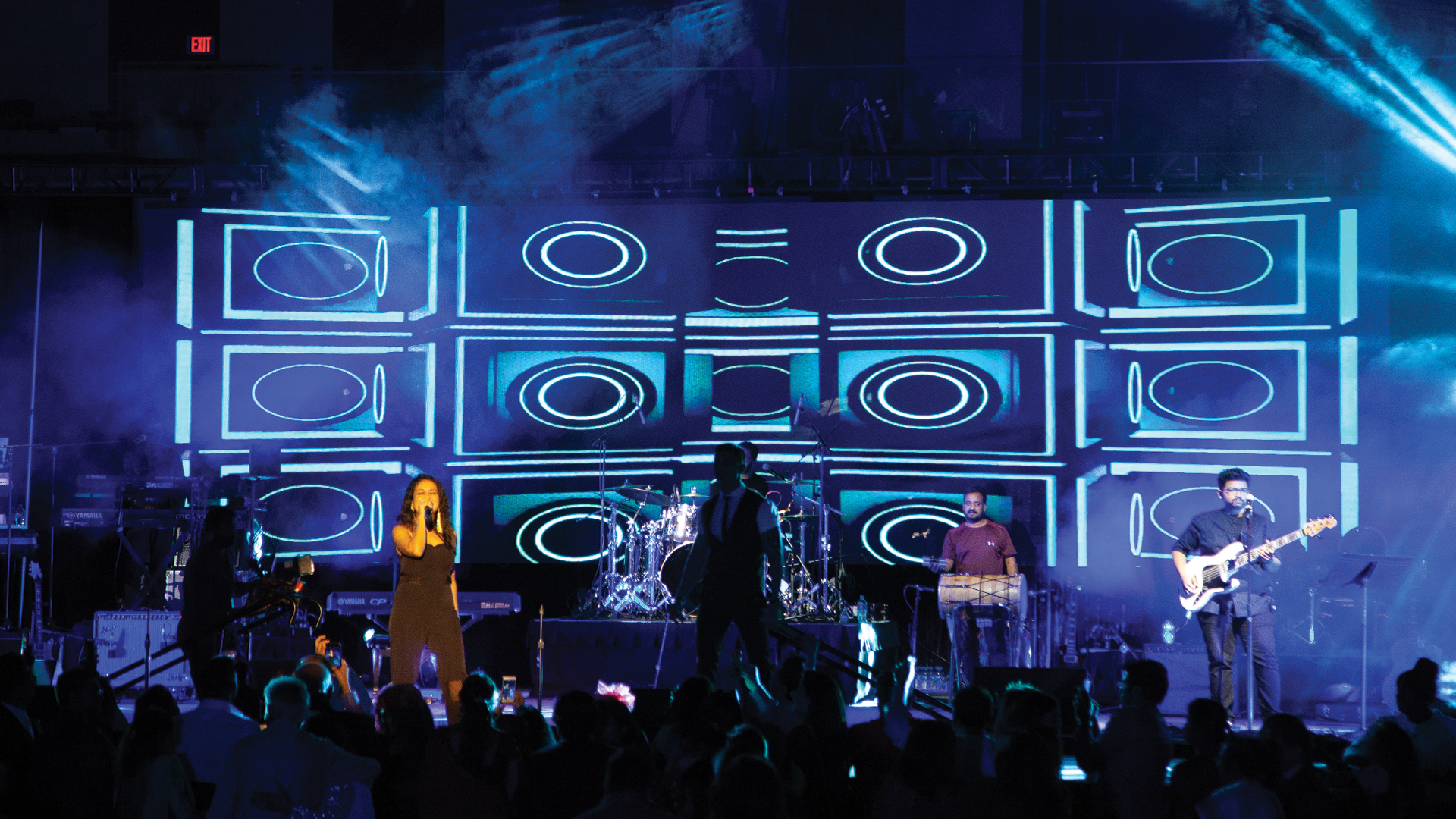
LED video walls have transformed live production aesthetics, creating immersive environments that blur boundaries between physical and digital reality. The ROE Visual Carbon Series and Brompton Technology processing systems represent industry-leading technology that—when functioning correctly—displays content with stunning clarity and color accuracy. When malfunctioning, these same systems create unintended artistic statements that range from subtle distraction to complete visual chaos, often at the worst possible moments.
The complexity of modern LED wall systems creates numerous potential failure points. Each panel contains thousands of individual LEDs, multiple receiving cards, thermal management systems, and mechanical connections to adjacent panels. The processing chain extends from content sources through media servers, signal distribution, and panel electronics before finally illuminating individual pixels. Problems anywhere in this chain manifest visibly on screen, and diagnosis requires systematic elimination of possibilities that takes time productions rarely have available.
Color Science Catastrophes
Color calibration issues create some of LED technology’s most visible failures. When panels display inconsistent colors—visible as tile boundaries, gradient banding, or color shifts across the screen—the intended content becomes secondary to the distraction of obvious technical problems. The CIELAB color space that defines calibration targets represents a theoretical ideal that real panels approximate with varying success, and age, temperature, and manufacturing variations all affect color consistency over time.
One infamous incident at a major awards show involved LED panels that shifted progressively toward magenta over the course of the broadcast. The color drift traced to thermal effects on specific LED binning that the manufacturer had not adequately characterized during development. By the final award presentation, the color shift had become visible to casual viewers at home, generating social media commentary that distracted from the event itself. The post-mortem investigation led to revised thermal specifications for subsequent productions using that panel type.
Processing Failures and Visual Artifacts
LED processor malfunctions create distinctive visual artifacts that experienced crews recognize immediately. The Novastar and Brompton systems that drive most professional installations include extensive error correction and redundancy, yet still experience failures that manifest as frozen regions, color inversions, or complete signal loss to specific panel sections. HDCP (High-bandwidth Digital Content Protection) handshake failures can cause entire wall sections to go black when displaying protected content—a particular problem during corporate events featuring copyrighted video content.
Moiré patterns and other optical artifacts plague camera-facing LED installations. These interference patterns emerge from the interaction between LED pixel geometry and camera sensor arrays, creating visible patterns that don’t exist in the actual content. Solutions include adjusting camera position, changing refresh rates, or using anti-moiré filters—all compromises that sacrifice some image quality to eliminate artifacts that would otherwise dominate footage. The development of high-refresh panels specifically designed for camera-facing use has reduced but not eliminated these issues.
Mechanical Failures and Panel Drama
The physical structure of LED walls creates mechanical failure modes that affect visual performance. Panel locks that don’t fully engage allow slight misalignment that creates visible seams. Tile modules that fail to seat properly in their frames cause dark spots or color inconsistencies. The cumulative weight of large LED installations stresses supporting structures and creates deflection that manifests as visible bowing across the display surface.
Thermal expansion effects particularly challenge outdoor LED installations. Temperature swings between day setup and evening performance cause dimensional changes that affect panel alignment and connection security. One outdoor concert series experienced chronic issues with panels that separated slightly at their upper edges as temperatures dropped after sunset, creating visible gaps that widened throughout evening performances. The solution required custom mechanical modifications that accommodated thermal movement while maintaining visual continuity.
Content Delivery Disasters
Media server failures represent the most dramatic category of LED wall misbehavior. When Disguise, Notch, or TouchDesigner systems fail, content stops flowing regardless of LED panel health. The 2019 Game Awards experienced a memorable media server crash during a major game reveal, displaying desktop imagery to millions of viewers before crews could cut to alternative feeds. The incident demonstrated how single points of failure in content delivery can undermine investments of millions in display technology.
Network infrastructure supporting LED walls has become increasingly complex, with Dante and NDI video distribution systems replacing traditional SDI connectivity. These networked systems offer flexibility and reduced cabling but introduce IT-related failure modes unfamiliar to traditional video engineers. Switch failures, VLAN misconfigurations, and multicast traffic problems have all caused LED wall failures that required IT expertise to diagnose and resolve—skills not always present on traditional production crews.
Future Developments
Manufacturers are developing self-diagnosing LED panels that report health status through network connections, enabling proactive maintenance before failures become visible. Machine learning systems analyze content delivery for anomalies that might indicate developing problems. Redundant processing architectures with automatic failover promise resilience against processor failures that currently cause complete wall failures. These advances may eventually reduce LED misbehavior to statistical rarity—though the fundamental complexity of these systems ensures that creative failures will continue surprising productions for years to come.
