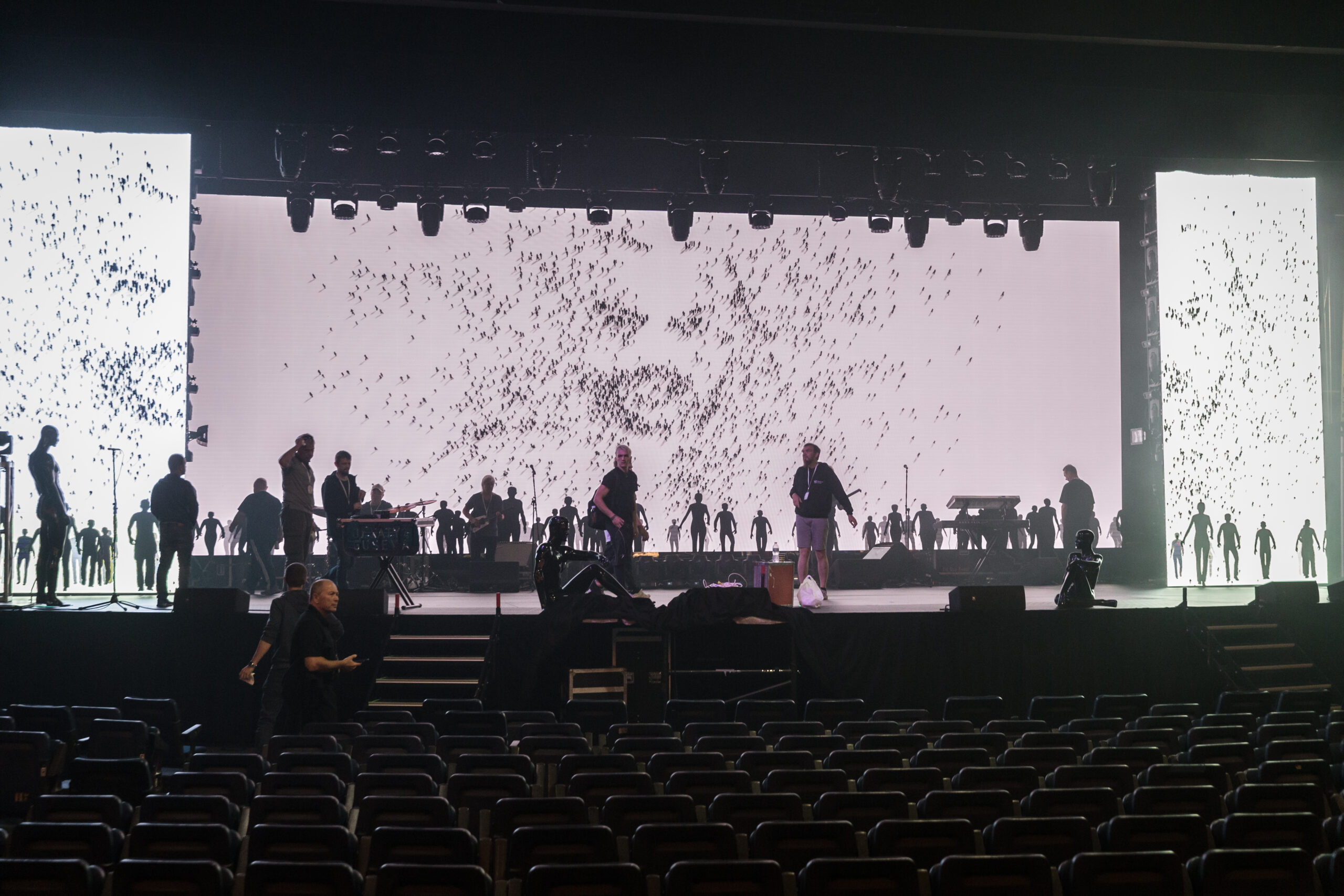
The conference organizers noticed something interesting: sessions using LED screens for IMAG showed consistently higher engagement scores in post-event surveys than sessions relying solely on speaker presence. This observation aligns with research showing that visual reinforcement significantly improves audience retention a finding that makes LED screens not merely aesthetic enhancements but functional tools for communication effectiveness.
The Neuroscience of Visual Learning
Human brains process visual information dramatically faster than text or speech studies suggest 60,000 times faster according to some research. Visual elements engage multiple brain regions simultaneously, creating stronger memory encoding than single-modality input. When presenters speak while relevant visuals display on LED screens, audiences receive information through multiple channels that reinforce each other. This multimodal learning approach improves both comprehension during events and recall afterward.
IMAG (image magnification) enables distant attendees to perceive facial expressions and body language that their physical distance would otherwise obscure. These nonverbal cues contribute significantly to communication—some research suggests over 50% of message interpretation comes from visual cues rather than words. Large venues without IMAG essentially deprive back-of-room attendees of half the communication channel. LED screens sized and positioned appropriately restore this visual information across the entire audience.
Content Design for Retention
Presentation content design significantly affects retention outcomes. Text-heavy slides compete with speakers for attention rather than complementing them. Visual representations of data charts, graphs, icons communicate more efficiently than tables of numbers. Nancy Duarte‘s principles of visual presentation design and Garr Reynolds‘ Presentation Zen approach both emphasize visual simplicity that supports rather than overwhelms verbal communication. Productions that counsel presenters toward these approaches achieve better audience outcomes than those simply displaying whatever slides speakers provide.
Motion and animation capture attention effectively but can become distracting if overused. Subtle transitions between content elements guide attention appropriately; elaborate animations between every slide create fatigue. LED screens’ excellent motion handling enables smooth transitions that projection sometimes struggles with, but this capability should serve communication rather than showcase technology. The best content design uses animation purposefully—revealing information progressively, emphasizing key points, guiding attention through complex visualizations.
Screen Positioning for Optimal Impact
Screen placement affects how audiences integrate visual and verbal information. Screens positioned directly behind speakers create visual competition that can distract from live presence. Screens flanking stages enable audiences to glance between speaker and visual without major head movement a more natural viewing pattern. The optimal configuration depends on room geometry, audience size, and content type; productions should consider viewing angles from various audience positions rather than optimizing solely for front-center perspectives.
Screen size relative to venue scale determines visual impact. Undersized screens strain viewers, reducing the accessibility benefits they’re intended to provide. Oversized screens can dominate spaces inappropriately, making events feel more like watching television than attending live experiences. Guidelines suggesting screen height should subtend approximately 15-30 degrees of visual angle from rear seating provide starting points, though content type and viewing duration affect optimal sizing. AVIXA‘s display image size guidelines offer more detailed recommendations based on viewing distance and content complexity.
LED screens improve audience retention when deployed thoughtfully with appropriate sizing, positioning, and content design that supports communication objectives. The investment in quality displays and professional content development pays returns in audience engagement and message effectiveness. Productions that approach LED screens as communication tools rather than mere decoration achieve outcomes that justify their investment through improved attendee experience and event success.
