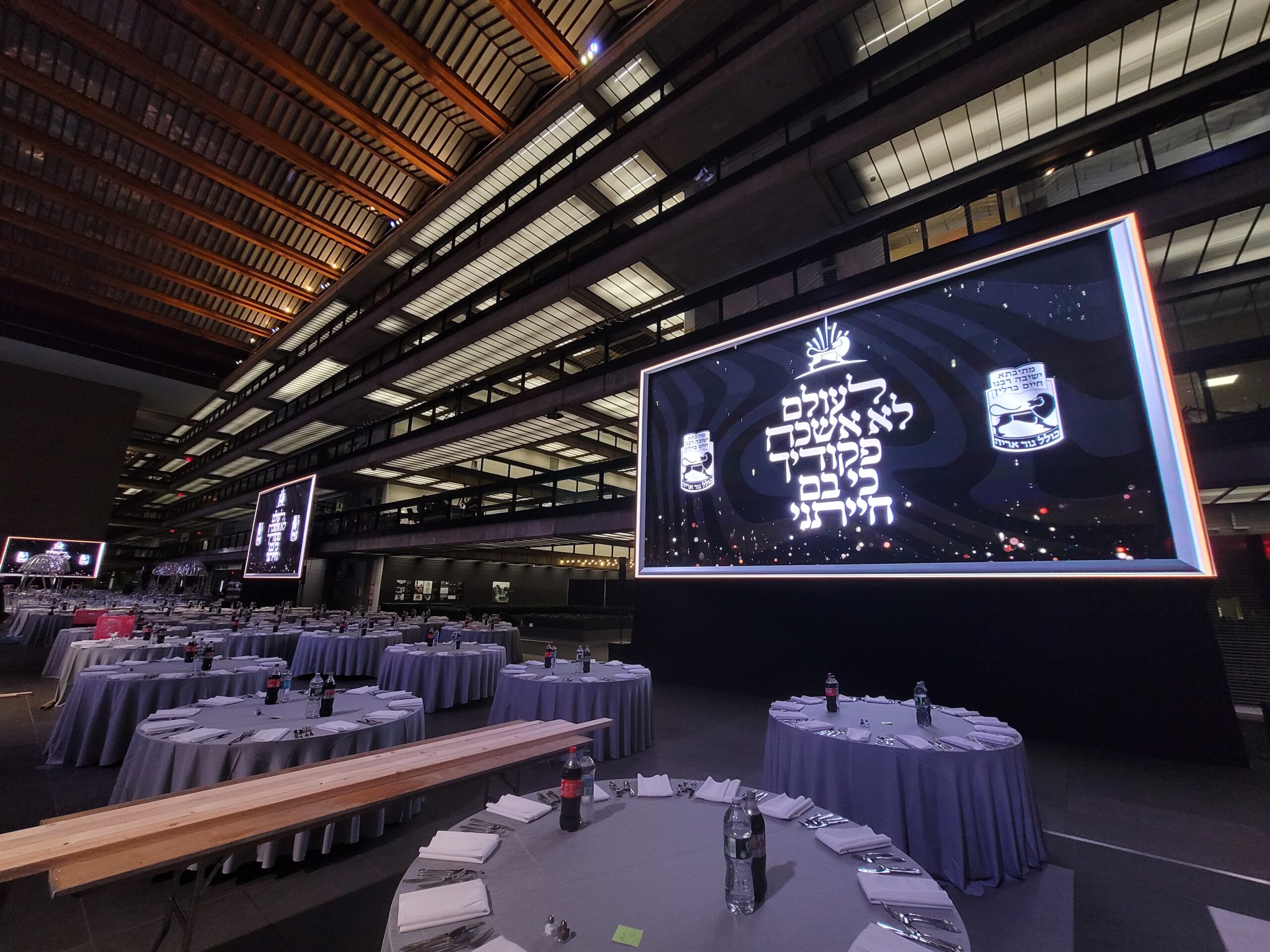
Pixel pitch selection directly impacts visual quality, audience experience, and production budgets in concert environments. Understanding the relationship between viewing distances, venue characteristics, and resolution requirements enables optimal specification decisions balancing performance with cost-effectiveness across diverse touring venues.
Understanding Pixel Pitch Fundamentals
Pixel pitch measures the distance in millimeters between the center of adjacent LED pixels, determining display resolution and optimal viewing distances. A 2.6mm pixel pitch screen contains approximately 147,000 pixels per square meter, while 4.8mm pitch provides 43,000 pixels per square meter. This density difference translates to significant variations in image clarity, rental costs, and power consumption.
The human eye’s ability to distinguish individual pixels depends on viewing distance and visual acuity. At normal vision (20/20), pixels become indistinguishable when the viewing angle drops below one arc-minute. This translates to minimum viewing distances of approximately 3.5 times the pixel pitch in millimeters. A 3.9mm pitch screen appears seamless beyond 13.6 meters, while 2.6mm pitch achieves the same effect at 9.1 meters.
Resolution requirements vary based on content type and artistic intent. IMAG (image magnification) applications displaying live camera feeds require higher resolution to maintain facial detail and emotional connection. Motion graphics and atmospheric content tolerate lower resolutions, as movement and color take precedence over fine detail. Text readability demands specific consideration, with minimum character heights of 40 pixels ensuring legibility across venue spaces.
Small Venue Specifications (Under 3,000 Capacity)
Club venues and theaters with capacities under 3,000 typically feature intimate settings where nearest viewers sit 3-8 meters from stage displays. These environments demand pixel pitches between 1.9mm and 2.9mm to maintain visual quality for front row audiences. Screen sizes generally range from 20 to 60 square meters, balancing visual impact with spatial constraints.
The closest viewing positions in 1,000-capacity clubs often place audiences within 3 meters of LED surfaces. Here, 1.9mm pixel pitch prevents visible pixelation while maintaining reasonable costs. A 30-square-meter display at this specification costs approximately $90,000-120,000 to purchase or $3,000-4,500 weekly to rent. Power consumption remains manageable at 6-9 kilowatts maximum brightness.
Theater venues seating 2,000-3,000 patrons allow slightly larger pixel pitches due to increased minimum viewing distances. A 2.6mm pitch serves these spaces effectively, with 40-60 square meter displays providing adequate coverage. Proscenium arch configurations often utilize 16:9 aspect ratios matching standard video content, while thrust stages benefit from ultra-wide 32:9 formats extending peripheral vision.
Mid-Size Arena Configurations (3,000-10,000 Capacity)
Basketball arenas and amphitheaters require careful consideration of upper level viewing distances extending to 60-80 meters. Main stage displays typically employ 3.9mm pitch, balancing resolution with brightness capabilities necessary for competing with stage lighting. Side screens serving floor seating may utilize 2.9mm pitch for enhanced IMAG quality.
A typical 8,000-seat arena configuration includes a 120-square-meter main screen (20m wide x 6m tall) flanked by two 48-square-meter side screens. This setup using 3.9mm pitch costs approximately $500,000-650,000 to purchase. Rental rates range from $15,000-22,000 weekly including processing equipment and technical support. Installation requires 8-10 hours with a six-person crew.
Delay screens positioned throughout arena bowls ensure all attendees maintain visual connection with performances. These auxiliary displays typically use 4.8mm pitch, adequate for 15-30 meter viewing distances common in upper sections. Four 24-square-meter delay screens add $80,000-120,000 to purchase costs while improving experience for 30-40% of attendees.
Load-bearing considerations become critical in arena environments. Suspended displays must account for ceiling grid capacities typically limited to 500-750 kilograms per point. A 120-square-meter LED wall weighing 1,440 kilograms requires minimum six rigging points with appropriate safety factors. Ground-supported systems eliminate ceiling load concerns but require 15-20 square meters of stage footprint.
Large Arena and Stadium Deployments (10,000-50,000 Capacity)
Major touring productions in large arenas and stadiums face viewing distances exceeding 100 meters, necessitating massive displays visible from extreme distances. Main screens often exceed 300 square meters, utilizing 4.8mm to 6.9mm pitch optimized for long-range viewing. These specifications maintain visual impact while managing weight and cost considerations.
A 20,000-seat arena typically features a 200-square-meter center-hung video wall or 240-square-meter stage backdrop display. Using 4.8mm pitch, purchase costs range from $600,000-900,000. Weekly rental rates reach $25,000-35,000. Power requirements escalate to 30-45 kilowatts, requiring dedicated three-phase distribution systems. Transportation requires three to four semi-trailers dedicated to video equipment.
Stadium shows present unique challenges with viewing distances potentially exceeding 150 meters. Here, 6.9mm or even 10mm pitch remains effective for atmospheric content and basic IMAG. A 400-square-meter display using 6.9mm pitch costs approximately $800,000-1,200,000, significantly less than equivalent area at tighter pitches. Brightness becomes paramount, with 5,000+ nits necessary for daylight visibility.
Outdoor Festival Considerations
Festival environments introduce environmental variables affecting pixel pitch selection. Direct sunlight washing out displays requires 4,500-5,500 nits brightness, achieved more efficiently with larger pixel pitches. Weather resistance adds 10-15% to equipment costs while limiting available rental inventory during peak festival seasons.
Main stage screens at major festivals commonly measure 150-200 square meters using 4.8mm or 5.9mm pitch. These specifications serve audiences ranging from 10 meters (photographer pit) to 200+ meters (field periphery). Delay towers positioned throughout festival grounds utilize 8-10mm pitch, adequate for atmospheric content and sponsor messaging at extreme distances.
Wind load calculations become critical for outdoor deployments. Larger pixel pitches typically feature lower fill factors, reducing wind resistance. A 150-square-meter screen experiences approximately 50,000 newtons of force in 100 km/h winds. Ballast requirements reach 20,000-30,000 kilograms for ground-supported systems, necessitating substantial site preparation and load distribution.
Content Creation and Optimization
Pixel pitch selection influences content creation workflows and costs. Higher resolution displays require proportionally higher resolution source material to maximize visual potential. 4K content sufficient for 2.6mm pitch displays may appear soft on 1.9mm screens, necessitating 6K or 8K production pipelines adding 30-40% to content creation budgets.
Real-time rendering systems must process exponentially more pixels as pitch decreases. A 100-square-meter display at 2.6mm pitch contains 14.7 million pixels, while the same area at 4.8mm contains 4.3 million pixels. This difference impacts media server specifications, with higher resolution requiring more powerful hardware costing $30,000-50,000 additional per server.
Viewing distance calculations should incorporate content type and audience behavior. IMAG-heavy shows benefit from tighter pixel pitches enabling emotional connection through facial expressions. EDM performances prioritizing abstract visuals and effects can utilize larger pitches without compromising experience. Corporate presentations requiring text legibility demand tighter specifications regardless of venue size.
Multi-venue tours must balance optimal specifications for each stop against logistical simplicity and cost efficiency. Modular systems allowing pixel pitch adjustment through panel swapping provide flexibility but increase inventory requirements by 40-60%. Most tours standardize on single specifications accepting compromise in certain venues for operational efficiency.
The evolution toward mini-LED and micro-LED technologies promises tighter pixel pitches at lower costs, potentially obsoleting current selection criteria within 5-7 years. However, fundamental relationships between viewing distance, human vision, and resolution will continue governing optimal specifications. Understanding these principles enables informed decisions maximizing visual impact within budget constraints across diverse venue types.
