When Follow Spots Find the Wrong Targets
The Misguided Illumination
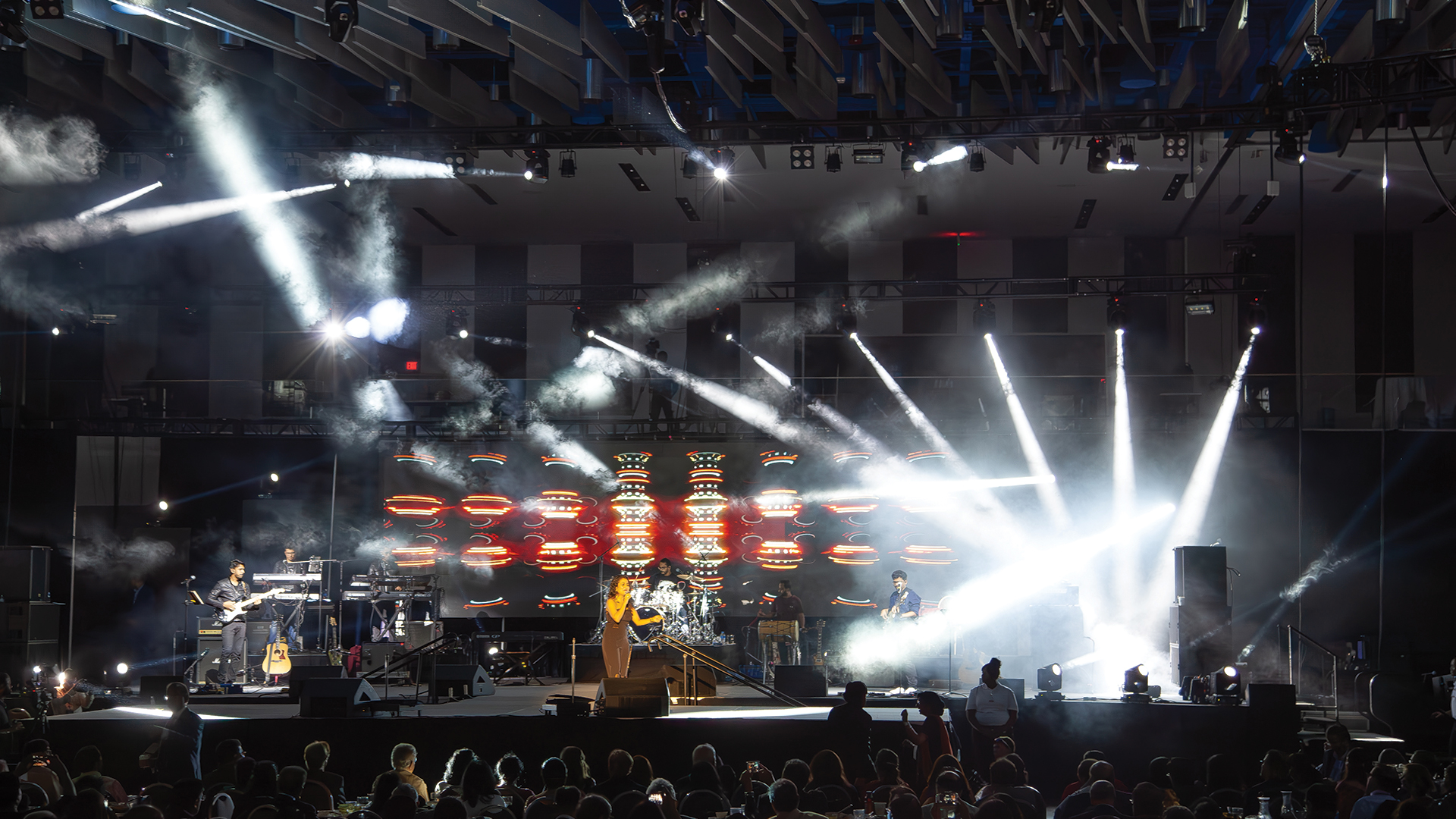
The climactic moment arrived—the lead vocalist stepped forward for their emotional solo. The Robert Juliat Cyrano follow spot swung confidently into position and locked onto the stage manager standing in the wings. The lighting director screamed corrections into the Clear-Com headset while the operator frantically attempted to reacquire the actual performer, now delivering their heartfelt ballad in near-darkness while their stage manager enjoyed unexpected stardom.
The Anatomy of Targeting Errors
Follow spot targeting errors stem from challenges in visual identification from extreme distances. The Super Trouper positions in major arenas place operators 150-200 feet from stage, where facial features become indistinguishable. When performers and crew dress similarly—black clothing being industry standard—even experienced operators can lock onto wrong targets.
The parallax effect from elevated positions compounds identification difficulties. A performer standing upstage appears in different positions when viewed from opposite follow spot locations. The operator on stage left sees different spatial relationships than their counterpart on stage right.
Communication System Failures
Most crew-targeting incidents trace to communication breakdowns. The intercom system jargon that makes sense to tour veterans becomes incomprehensible to local operators. Calling ‘hit the star’ means nothing to an operator unfamiliar with show-specific vocabulary.
The cueing script that works during rehearsal may fail during performance. A performer who consistently hit their mark during tech starts improvising during shows, making position-based cues unreliable.
Technology Solutions
The automated tracking systems increasingly deployed aim to eliminate human targeting errors. BlackTrax and Zactrack platforms use position sensors worn by performers to provide precise coordinate data. The Robe RoboSpot system enables remote operation from positions with better sight lines.
These systems work reliably when sensors remain attached and functional—conditions that costume changes, sweat, and physical performance can compromise. Human operators might make mistakes, but they recognize when they’re following wrong targets.
Training and Recovery
Preventing crew illumination requires investment in operator training. Professional follow spot operation demands familiarity with specific shows that cannot be achieved in thirty-minute briefings. Reference materials showing performers from the operator’s viewing angle prove more useful than promotional headshots.
When follow spots illuminate crew members, graceful recovery minimizes audience awareness. The lighting director who remains calm provides clear corrections enabling smooth transitions. Building redundancy into critical lighting moments provides insurance against follow spot errors.
