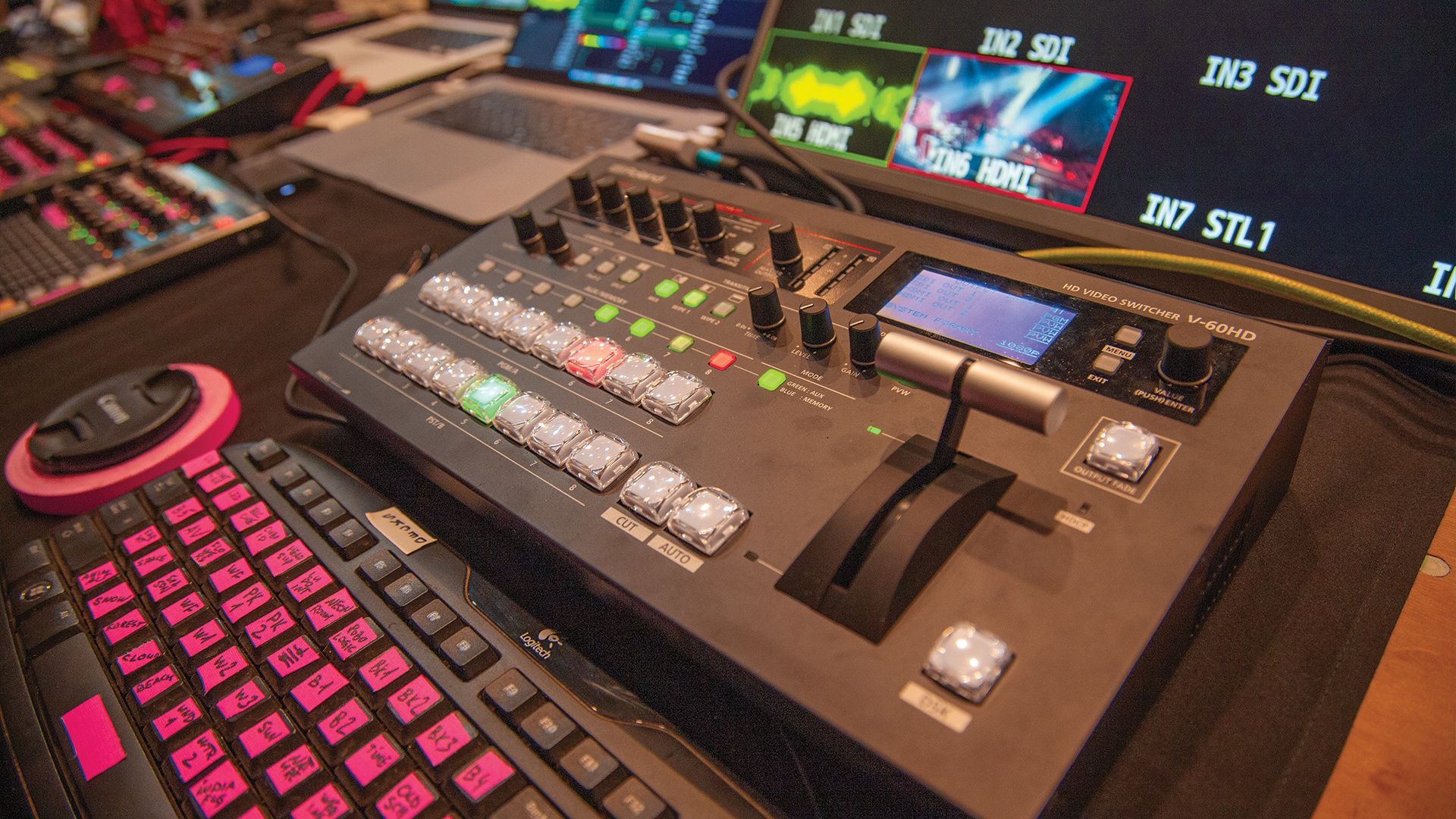
When Control Surfaces Create Their Own Light Shows
The Unplanned Spectacular
The quiet acoustic interlude required nothing from the lighting rig—just gentle amber washes. Then the grandMA3 console interpreted a routine fader movement as a command to cycle every fixture through its full parameter range simultaneously. Strobes fired, moving heads executed violent sweeps, and color mixing engines produced rainbow cascades. The artist stopped mid-song, shielding their eyes.
Console Glitch Mechanisms
Lighting console glitches emerge from complex interaction between hardware, software, and user input. The ETC Eos family processes thousands of parameter changes per second, any producing unintended results if software misinterprets input. The Hog 4 series runs on Windows-based architecture vulnerable to operating system issues.
The fader and encoder hardware translating physical movement into digital commands can fail dramatically. A potentiometer with dirty contacts may send rapid value jumps. A rotary encoder losing alignment produces value changes opposite to physical movement.
Historical Failures
The grandMA2 ‘delete crash’—where certain operations corrupted show files—affected countless productions before patches addressed the issue. Hog 3 installations experienced failures when Windows updates conflicted with console software, sometimes mid-show.
Transition periods between console generations produce elevated failure rates as users learn new platforms. The grandMA3 introduction saw early adopters encountering bugs at major events.
Network-Induced Glitches
Consoles on network infrastructure experience unique failure modes. Art-Net and sACN protocols carry lighting data alongside other traffic; broadcast storms can flood consoles with data triggering unexpected behaviors.
The tracking backup systems providing redundancy can cause glitches when synchronization fails. A backup console receiving corrupted session data may assert control with incorrect parameters.
Defensive Programming
Preventing dramatic glitches begins with programming practices limiting potential damage. Building shows with explicit home states for all fixtures enables rapid recovery. Creating dedicated emergency cues—blackout, house lights, safe state—with physical macro buttons enables instant recovery.
The grand master fader provides physical output control working regardless of software state. The DBO function provides similar emergency stop capability.
Recovery
When glitches create dramatic unplanned light shows, rapid response limits damage. Communication with performers during and after events maintains professional relationships. Post-show debrief should identify causes and implement preventive measures.
